Allergy Test for Dogs Cost: $79 to $800 (2026 Breakdown)
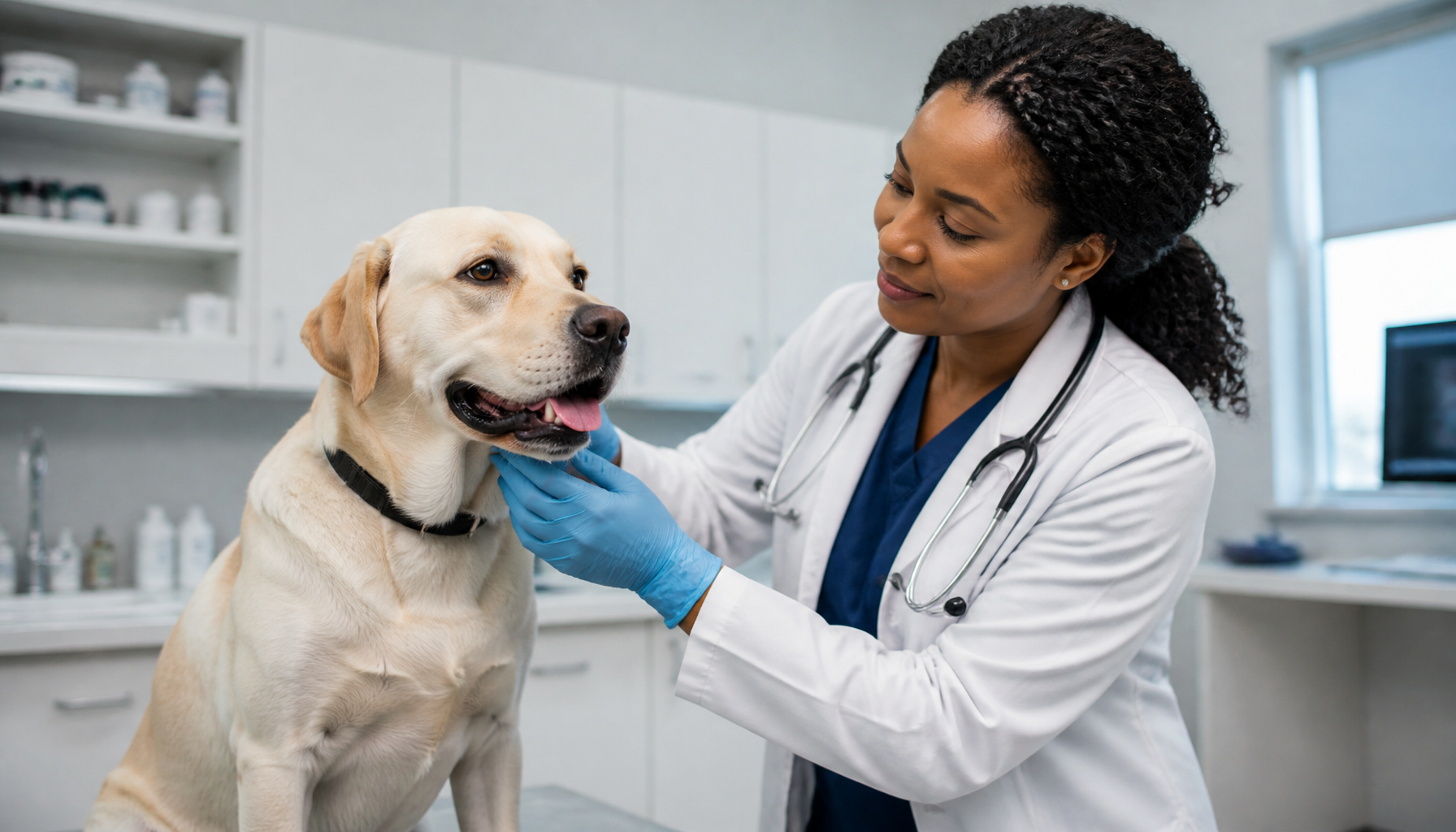
Serum allergy panels at a general-practice vet typically run $200-$400, while a full dermatology work-up with intradermal skin testing hits $800-$1,200 — and neither figure includes the follow-up hyposensitization shots, which add another $60-$150 per month for two to five years. Here is the twist most owners miss: a large share of people googling "allergy test for dogs cost" don't have an allergic dog at all. They have an allergic human reacting to dander, and a $79 mail-in human pet-allergy panel would answer the question in about a week. If your own sneezing, itchy eyes, or skin flares started right after the dog moved in, you can get this test at HealthLabs (skip the $200-300 doctor markup) and rule out your side of the equation before you spend $800 at a veterinary dermatologist.
The real 2026 price map for a dog allergy work-up
"Allergy test for dogs cost" doesn't have one number attached to it — it has a range, and the range depends entirely on which of three testing pathways your vet is quoting. Here is what a typical U.S. bill looks like in 2026 across a general-practice clinic, a mid-tier specialist, and a board-certified veterinary dermatologist:
| Test type | Typical cost | Where you get it |
|---|---|---|
| Serum IgE blood panel (Heska, VARL, Spectrum) | $200-$400 | General-practice vet |
| Intradermal skin test (gold standard) | $500-$800 | Veterinary dermatologist |
| 8-12 week food elimination trial | $150-$300 in prescription diet | Home + vet check-ins |
| Specialist consult fee (before any test) | $150-$300 | Dermatology referral |
| Follow-up allergen immunotherapy | $60-$150/month for 2-5 years | Injections or sublingual drops |
The all-in figure most owners land at — one consult, one serum panel, and starter immunotherapy — is roughly $650-$900 in the first six months. Adding intradermal testing on top of that pushes total year-one cost past $1,500. That is why the same search phrase produces wildly different answers on different sites: they are quoting different steps of the same funnel.
Which of the three tests is your vet actually quoting?
Serum (blood-draw) panels are the fastest, cheapest, and most common thing a general vet offers. Blood ships to a reference lab, results come back in four to six weeks, and you get a list of 40-60 environmental allergens ranked by reactivity. They are convenient but not perfect: multiple peer-reviewed comparisons find 60-70% agreement with intradermal testing, meaning about a third of results disagree between methods.
Intradermal testing is what the specialist community calls the gold standard. Your dog gets a small patch shaved, then 40-60 allergens are injected just under the skin. A veterinary dermatologist reads live wheal reactions after 15-20 minutes. It requires light sedation, and outside major metros you will often drive two hours to reach a board-certified specialist — which is a real cost most price articles ignore.
A food elimination trial isn't technically a "test" — it is an 8-to-12-week diet swap onto a hydrolyzed or novel-protein prescription food (Royal Canin HP, Hill's z/d, Purina HA), with zero treats or table scraps allowed. It is the cheapest and most reliable way to confirm or rule out a true food allergy, which the American College of Veterinary Dermatology estimates accounts for only 1-10% of "itchy dog" cases. Most itch is environmental, not dietary.
Why testing yourself first often saves $500+
According to the Cleveland Clinic, an estimated 10-20% of adults worldwide are allergic to cats or dogs, and the trigger isn't the fur — it is a protein in saliva, urine, and skin flakes called Can f 1. Mayo Clinic notes typical symptoms overlap heavily with what owners assume is the dog's problem: sneezing, itchy or watery eyes, congestion, and skin flares after contact. That overlap matters, because two very different bills come out of the same symptom picture.
If it is the dog: a $200-$400 serum panel plus follow-up shots. If it is you: a $79 human IgE allergy panel from a direct-to-consumer lab and, potentially, over-the-counter antihistamines you review with your physician. Ordering the cheaper test first is a rational sequencing move, not a shortcut. You can order a HealthLabs pet-dander allergy panel for around $79 (vs $200-$300 with a doctor visit and lab markup), get a blood draw at a nearby Quest or LabCorp draw site, and know in about a week whether the dog is even part of your reaction.
If the panel comes back negative for canine dander, your money is better spent on a vet appointment for the dog. If it comes back positive, review the result with a clinician — that discussion often changes both the household plan (HEPA filtration, weekly dog bath, bedroom off-limits) and whether the dog needs its own workup at all.
What pet insurance actually pays for an allergy work-up
Most accident-and-illness pet policies (Trupanion, Nationwide, ASPCA, Healthy Paws, Lemonade) cover diagnostic allergy testing when it is not tied to a pre-existing condition. The catch is the pre-existing clause: if your dog itched or had ear infections before the policy started, allergy diagnostics are typically excluded. That exclusion is why so many owners end up paying $600-$1,200 out of pocket even when they are insured.
Two policy details determine whether you actually get reimbursed. First, the annual deductible — a $500 deductible on a $700 work-up leaves you paying $500 of it before any reimbursement kicks in. Second, the reimbursement percentage, usually 70%, 80%, or 90% of eligible costs after the deductible. Similar mechanics apply to human health coverage — we walk through the wallet math for people in 7 open enrollment mistakes that quietly cost Americans $1,200+ per year, and pet policies fall into the same trap: right premium, wrong deductible.
Wellness add-ons don't typically cover allergy testing. They cover vaccines and routine dental cleanings. Don't buy the wellness rider expecting it to pay for the specialist bill.
Environmental vs food allergens: what the panel actually screens
Environmental allergy — clinically called canine atopic dermatitis — affects an estimated 10-30% of dogs per current veterinary dermatology literature. Serum and intradermal panels screen for the usual suspects: dust mites, storage mites, mold spores, grass pollens, tree pollens, and weed pollens. Both methods produce a graded reactivity list a specialist can use to formulate personalized immunotherapy drops or shots.
Food allergy is a different animal. NIH-indexed veterinary literature repeatedly finds that serum IgE food panels perform poorly — reactivity to a protein in a blood test does not reliably predict a clinical food reaction. A properly run elimination diet remains the only reliable way to confirm food allergy, which is why any vet quoting a $150 "food allergy blood test" as a stand-alone diagnostic is selling something the current evidence does not support.
One counter-intuitive finding worth sharing: fleabite hypersensitivity, not food, is the single most common cause of allergic skin disease in dogs. Before spending $800 on testing, most dermatologists insist on a 60-day trial of year-round flea preventive (Bravecto, NexGard, Simparica) — because a $60 preventive resolves the case more often than the $800 test does.
What to do before you order any test
The cheapest ruling-out you can do at home takes six weeks and costs about $80:
- Start a photo diary — dated pictures of paws, belly, ears, and any hot spots. Vets need to see what "flared" looks like on your specific dog.
- Note seasonality. Symptoms only in spring point to grass or tree pollens. Year-round symptoms usually point to dust mites, mold, or food.
- Run a strict flea preventive for 60 days. Even in "flea-free" households, this alone resolves 30-40% of cases per veterinary dermatology surveys.
- Consider an 8-week hydrolyzed or novel-protein food trial before paying for a food panel that likely won't help anyway.
- If you are the one sneezing, get your own allergy panel before you pay for the dog's.
Bring the diary, timeline, and preventive records to the appointment. Vets are far more likely to skip a $400 panel and go straight to a targeted plan when the case is well documented.
When the $800 specialist work-up is genuinely worth it
Skip the discount options and go straight to a board-certified veterinary dermatologist when you are seeing: chronic recurring ear infections (three or more in a year), persistent paw licking that has caused stained fur or lesions, chronic hot spots, secondary bacterial or yeast skin infections that keep coming back after antibiotics, or itch that is disrupting sleep. These patterns almost always trace to environmental atopy, and the sooner personalized immunotherapy starts, the better the long-term outcome and total cost. Waiting three years while repeatedly treating symptoms typically racks up $2,000-$4,000 in vet visits — more than the specialist work-up would have cost up front.
Skip The Doctor's whole thesis is that a lot of medical spending is markup, not medicine. That is true for humans, and it is true for pets. Before you spend $800 at the vet, spend $79 on the panel that tells you whether the dog is even the problem — then review the results with a clinician who can put them in context. You can order the HealthLabs pet-allergy panel here for $79 (versus $200-$300 at a doctor's office), get the blood draw at a lab near you, and have answers in about a week. This post is educational; use the result to have a smarter conversation with your vet or physician, not to self-diagnose.
Affiliate disclosure: this post may contain affiliate links; we earn a commission at no extra cost to you.
Order Your Own Lab Tests — No Doctor Required
HealthLabs lets you book bloodwork online, pay up to 80% less than a clinic, and use your FSA/HSA. Results in 24–48 hrs.
Order at HealthLabs → Save 60–80%Sources & references
This guide summarizes information from recognized medical authorities. Verify any health decision with these primary sources and your own clinician:
Ready to skip the markup?
Order your bloodwork online through HealthLabs. FSA/HSA accepted. Same certified labs, up to 80% less.
Order Lab Tests at HealthLabs →Get the next guide free
Plain-English lab-testing guides and price breakdowns, straight to your inbox. No spam.